
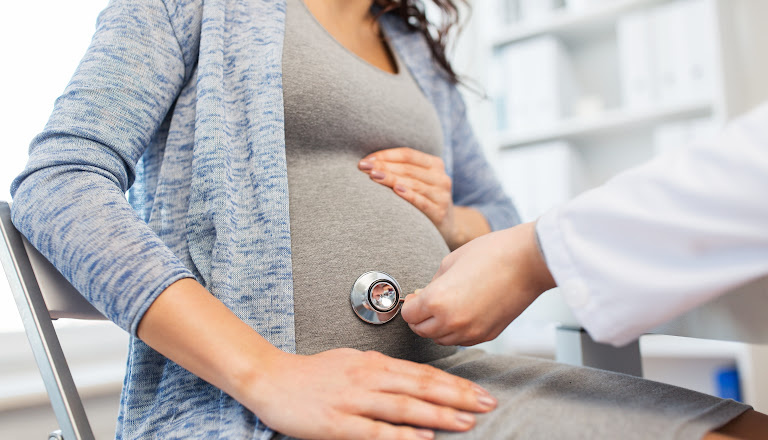
This section was prepared with Ms Ciara Coveney, Advanced Midwife Practitioner, The National Maternity Hospital.
Diabetes in pregnancy can occur two ways: when a future mother already has diagnosed diabetes, either type 1 or type 2 or other types, we name her diabetes in pregnancy as “pre-gestational diabetes”.
If diabetes occurs in pregnancy (as a consequence of many changes in the body) we call it gestational diabetes (GDM).
Below you can find information about managing particular conditions:
- Pregnancy and type 1 diabetes (pre-gestational diabetes): A guide
- Pregnancy and type 2 diabetes (pre-gestational diabetes): A guide
- Gestational diabetes: A guide.
Pregnancy and type 1 diabetes: A guide
Pre-conception care (before pregnancy)
- Why it’s important: Planning your pregnancy gives you the best start for a healthy pregnancy and baby. High blood glucose levels before you become pregnant and at the early stages of pregnancy can increase risks to you and your baby
Goals:
- Achieve stable blood glucose levels (HbA1c as close to 48 mmol/mol as possible or as advised by your medical professional)
- Review medications (some may not be safe in pregnancy)
- Start 5mg of folic acid daily (begin at least 3 months prior to conception). This is a high dose and is only available on prescription. It helps to reduce the chance of a neural tube defect in the developing baby.
- Screen for diabetes complications (eye screening, kidneys and blood pressure)
It’s important to let your diabetes team know if you are planning to become pregnant so they can help support you to be ready for pregnancy. It’s not recommended to stop contraception until you have discussed this with your diabetes team as conceiving with high blood glucose can be harmful to your baby.
What to expect when you are pregnant with type 1 diabetes?
First trimester (conception to week 12)
- You should make sure you contact your general diabetes service to let them know, most maternity hospitals have a diabetes in pregnancy team, we recommend contacting them as soon as possible after your positive pregnancy test. It is never too early!
- You’ll be brought in to see the diabetes team for an early visit to help with your blood glucose control in pregnancy, you’ll be seen by obstetricians at around 7-8 weeks’ gestation.
- You’ll need frequent contact with the diabetes team for blood glucose review and insulin adjustment.
- You’ll have frequent appointments in the early stages of pregnancy to try and ensure your blood glucose levels are stable to help the developing baby.
- You’ll have an early pregnancy scan to date your pregnancy and confirm viability.
- You’ll have retinal screening performed within the National Retinal Screening Pregnancy Pathway.
Second trimester (weeks 13-27)
- You’ll have regular scans to check baby’s growth and development.
- Insulin may need to be increased often as pregnancy hormones increase.
- Screening for pregnancy related complications (for example: preeclampsia).
- You’ll typically have an appointment in the hospital every 3-4 weeks in this trimester.
- You’ll have a fetal anomaly scan and in some centres you’ll have fetal echo to check your baby’s heart structure and function.
Third trimester (weeks 28-40)
- You’ll have visits every 1-2 weeks as you approach the end of your pregnancy.
- You can often have more frequent growth scans to check on baby’s size and the amount of fluid (amniotic fluid) around the baby.
- You’ll need frequent insulin adjustments and also make a plan for labour and delivery.
- You’ll discuss breastfeeding and antenatal expression of colostrum is recommended to all women with diabetes in pregnancy.
Labour and delivery
- You’ll have your baby in a maternity hospital and will be closely supported by a midwife.
- Your baby’s heart rate will be monitored throughout labour and delivery.
- You’ll have an intravenous drip, containing some insulin, to help keep your glucose levels stable.
- The obstetric and midwifery teams will guide you through your choices for birth. These include vaginal delivery and caesarean section.
Postnatal
- After delivery, your insulin requirements reduce very quickly, and your diabetes team will give you a postnatal dose to help manage this.
- Your blood glucose will be monitored closely by hospital staff.
- Your baby will have their blood glucose checked also to check for low blood glucose.
- Breast feeding is encouraged, and you’ll be supported by your maternity centre on your breastfeeding journey.
Contraception
- Discuss safe options early and if you plan for another pregnancy seek out your pre-conception clinic.
Mental health
- Be aware of mood changes, stress and diabetes related burnout.
- Support is available – never hesitate to ask.
Pregnancy and type 2 diabetes: A guide
Pre-conception care (before pregnancy)
- Why it’s important: Planning your pregnancy gives you the best start for a healthy pregnancy and baby. High blood glucose levels before you become pregnant and at the early stages of pregnancy can increase risks to you and your baby.
Goals:
- Achieve stable blood glucose levels (HbA1c as close to 48 mmol/mol as possible or as advised by your medical professional).
- Review medications (some may need to be changed or stopped prior to pregnancy).
- Start 5 mg of folic acid daily (begin at least 3 months prior to conception). This is a high dose and is only available on prescription. It helps to reduce the chance of a neural tube defect in the developing baby.
- Screen for diabetes complications (eye screening, kidneys and blood pressure).
It’s important to let your diabetes team or GP know if you’re planning to become pregnant so they can help support you to be ready for pregnancy.
It isn’t recommended to stop contraception until you have discussed this with your diabetes team as conceiving with high blood glucose can be harmful to your baby.

GLP-1 medicines
- https://www.gov.uk/government/publications/glp-1-medicines-for-weight-loss-and-diabetes-what-you-need-to-know It’s recommended to use contraception whilst taking GLP-1 medicines to ensure you do not become pregnant while using this medicine.
- They should not be taken during pregnancy or just before trying to get pregnant as they may be harmful to the unborn baby.
- Talk to your diabetes team or GP about stopping this medicine if you wish to become pregnant.
- https://www.gov.uk/government/publications/glp-1-medicines-for-weight-loss-and-diabetes-what-you-need-to-know/glp-1-medicines-for-weight-loss-and-diabetes-what-you-need-to-knowpregnant
What to expect when you are pregnant with type 2 diabetes
First trimester (conception to week 12)
- You should make contact with your general diabetes service to let them know, most maternity hospitals have a diabetes in pregnancy team, we recommend contacting them as soon as possible after your positive pregnancy test. It’s never too early!
- You’ll be brought in to see the diabetes team for an early visit to help with your blood glucose control in pregnancy, you’ll be seen by obstetricians at around 7-8 weeks’ gestation.
- You’ll need frequent contact with the diabetes team for blood glucose review and medication adjustment.
- You’ll often require insulin in pregnancy to help keep your blood glucose within pregnancy targets.
- You’ll have frequent appointments in the early stages of pregnancy to try and ensure your blood glucose levels are stable to help the developing baby.
- You’ll have an early pregnancy scan to date your pregnancy and confirm viability.
- You’ll have retinal screening performed within the National Retinal Screening Pregnancy Pathway
Second trimester (weeks 13-27)
- You’ll have regular scans to check baby’s growth and development.
- Medications/insulin may need to be increased often as pregnancy hormones increase.
- Screening for pregnancy related complications (for example: preeclampsia).
- You’ll typically have an appointment in the hospital every 3-4 weeks in this trimester.
- You’ll have a fetal anomaly scan and in some centres you’ll have fetal echo to check your baby’s heart structure and function.
Third trimester (weeks 28-40)
- You’ll have visits every 1-2 weeks as you approach the end of your pregnancy.
- You can often have more frequent growth scans to check on baby’s size and the amount of fluid (amniotic fluid) around the baby.
- You’ll need frequent medication/insulin adjustments and also make a plan for labour and delivery.
- You’ll discuss breastfeeding and antenatal expression of colostrum is recommended to all women with diabetes in pregnancy.
Labour and delivery
- You’ll have your baby in a maternity hospital and will be closely supported by a midwife.
- Your baby’s heart rate will be monitored throughout labour and delivery.
- You’ll have an intravenous drip, containing some insulin, to help keep your glucose levels stable.
- The obstetric and midwifery teams will guide you through your choices for birth. These include vaginal delivery and caesarean section.
Postnatal
- After delivery, your insulin requirements reduce very quickly and your diabetes team will give you a postnatal dose to help manage this.
- Your blood glucose will be monitored closely by hospital staff.
- Your baby will have their blood glucose checked also to check for low blood glucose.
- Breast feeding is encouraged and you will be supported by your maternity centre on your breastfeeding journey.
Contraception
- Discuss safe options early and if you plan for another pregnancy seek out your pre-conception clinic.
Mental health
- Be aware of mood changes, stress and diabetes related burnout.
- Support is available – never hesitate to ask.

Gestational diabetes
Gestational diabetes is a type of diabetes that can occur during pregnancy. It develops because pregnancy puts extra pressure on your body, especially due to pregnancy hormones, which can make it harder for your body to use insulin properly.
When you eat foods with carbohydrates (like bread, pasta, or fruit), your body breaks them down into glucose, which is a type of energy. Your body needs insulin to help move that glucose from your blood into your cells so it can be used for energy.
During pregnancy, your body needs to make two to three times more insulin than usual to keep glucose levels balanced. If your body can’t keep up with making that extra insulin, the glucose stays in your blood – and that’s when gestational diabetes can happen.
For most people, gestational diabetes goes away after the baby is born. Women who have had gestational diabetes in pregnancy are at a 50% risk of developing type 2 diabetes within five years of their diagnosis of gestational diabetes.
What causes gestational diabetes?
Gestational diabetes is caused by hormonal changes during pregnancy that affect how your body uses insulin, the hormone that helps move glucose from your blood into your cells for energy.
- Pregnancy hormones may cause hyperglycaemia (high glucose levels)
During pregnancy, your body produces hormones that help your baby grow. The same hormones increase glyceamia and your body needs to produce more insulin. In GDM, your body becomes resistant to insulin and glucose regulation does not work properly, causing high glucose levels.
- Your body needs more insulin
To keep your blood glucose levels in a healthy range, your body needs to make 2 to 3 times more insulin than usual during pregnancy.
Who is more likely to get gestational diabetes? Risk factors for developing gestational diabetes include:
- Over 40 years old
- BMI >30 kg/m2
- Previous gestational diabetes (in a previous pregnancy)
- Family history of diabetes
- Certain medical conditions (eg. PCOS)
- Long term steroid use
- Previous baby >4.5 kgs
- Ethnicity with high prevalence of diabetes
- Suspected macrosomia (an unborn baby, called a fetus, is much larger than average).
- Multiple pregnancy
How will I know if I have gestational diabetes?
Most people don’t feel any symptoms of gestational diabetes – which is why it’s important to be tested, even if you feel completely well.
The most common test used is called the Oral Glucose Tolerance Test, or OGTT. It’s usually done between 24 and 28 weeks of pregnancy, though it may be offered earlier if you have had gestational diabetes before.
How is gestational diabetes treated?
Treatment for gestational diabetes focuses on keeping your glucose levels within specific target ranges, as advised by your diabetes team. You will be advised how best to achieve these by your care team, which may include the following:
Nutrition and lifestyle modifications
- All treatment options for gestational diabetes will include meeting a dietitian to learn how to balance meals, to manage glucose levels.
- Balanced meals that include slow-release carbohydrates (like oats, wholegrain bread, and vegetables).
- Regular eating times (avoiding long gaps without food).
- Including protein and fibre to help steady glucose levels.
- 30 minutes of moderate intensity activity, like walking, if it’s safe for you.
- You’ll often meet with a dietitian or diabetes midwife to help build a plan that works for your lifestyle and culture.
Monitoring glucose levels at home
- You’ll be shown how to check your glucose levels at home using a glucometer.
- You’ll be advised how frequently to check your glucose levels by your care team.
- This helps you and your care team see how your body is responding to food and any treatment.
- Keeping a food and glucose level diary will help to guide your care.
- Your team will advise you on treatment if required, two commonly used medications to help with raised glucose levels in pregnancy are metformin and insulin.
Metformin
Is a tablet that:
- Helps your body use insulin more effectively.
- Is considered safe in pregnancy.
- May cause mild side effects like stomach upset in some people, but these often settle.
Insulin
- Insulin is safe during pregnancy and tailored to your needs. You’ll be taught how to give it.
- Doses will be adjusted frequently throughout pregnancy, depending on glucose levels.
Does gestational diabetes go away? For most people, gestational diabetes goes away after the baby is born. However, if you’ve had it once, there’s about a 2 in 3 chance it could happen again in a future pregnancy.
Sometimes, diabetes that was already present before pregnancy, but not yet diagnosed, is first picked up during pregnancy. In those cases, the condition may not go away after birth and may be a sign of type 2 diabetes.
Gestational diabetes and type 2 diabetes are closely linked because both involve insulin resistance. That means your body finds it harder to use insulin effectively.
If you’ve had gestational diabetes, it’s important to have a blood test 6 weeks after birth to check if your glucose levels have returned to normal. After that, it’s recommended to get checked every year, as there is a higher risk of developing type 2 diabetes later on.
Preventing type 2 diabetes after pregnancy
- Breastfeeding
Breastfeeding may help your body manage glucose and insulin more effectively. Feeding for 3 months or longer can reduce your future risk of type 2 diabetes by nearly half.
HSE Breastfeeding Support
- Eat a balanced diet
Focus on vegetables, whole grains, fibre-rich foods, healthy fats, and fish. A nourishing diet supports long-term glucose balance.
How to Eat Well – HSE
Healthy Eating for Families – HSE
Meal Ideas – Safefood

-
Maintain a healthy BMI
Staying at a healthy weight can significantly reduce your risk of type 2 diabetes. If you find weight loss challenging, talk to your GP, nurse, or dietitian for personalised support.
Managing Your Weight – HSE
-
Be physically active
Aim for at least 150 minutes of moderate activity a week (like brisk walking or gardening), or combine with more vigorous activity (like swimming or running). Even small steps – like 10-minute walks – make a difference.
Getting Active – HSE
Find Local Activities – Sport Ireland
