Diabetes Technology
In the last decade we observed the dawn of diabetes technology in diabetes care. Learn more about diabetes technologies available in Ireland.
In the last decade we observed the dawn of diabetes technology in diabetes care. Learn more about diabetes technologies available in Ireland.


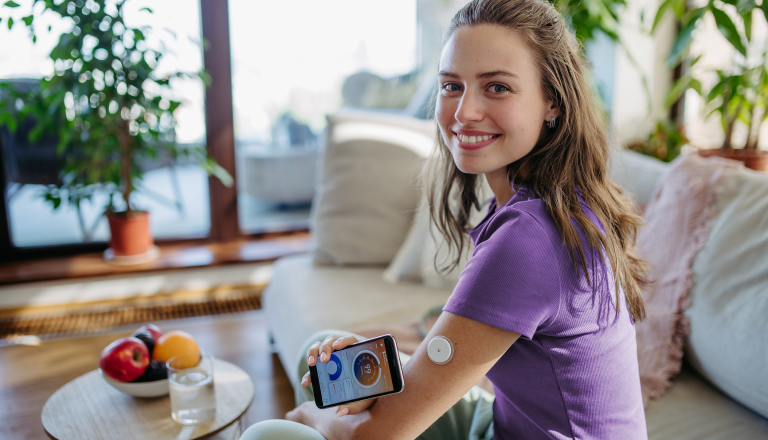
Diabetes technologies such as insulin pumps or continuous glucose monitoring systems completely changed the way (almost always improved) we live with and how we manage diabetes, in particular type 1 diabetes.
Simply put, diabetes technology is technology that helps you manage diabetes. There are devices that help you take the right amount of insulin at the right times, and devices that help you measure your glucose levels throughout the day. Usually, people with type 1 diabetes use technology to help with their insulin management and care, but some people with type 2 diabetes (and other types) might use diabetes technology too.
It’s completely up to you whether you use technology, which devices you want to use and how many of them. Some people are happy with multiple daily injections and finger-prick tests, whilst others may find hybrid closed loop systems beneficial. Managing diabetes is very personal, and it’s fine to take your time exploring the options to see what works for you.
Insulin pumps, insulin pens and smart pens are for delivering insulin. Continuous glucose monitoring (CGM) and blood glucose meters which require finger-pricking measure glucose levels.
Hybrid closed loop (HCL) systems or the “artificial pancreas” or automated insulin delivery systems (AID) as it is sometimes known, measure glucose levels and administer insulin based on the glucose levels, using automated insulin delivery systems via special algorithms.
Remember to talk to your diabetes team for further information and support. If you don’t currently attend a specialist clinic, ask your GP to refer you.

The vast majority of people with diabetes would deliver insulin using “pens” to inject insulin. People with type 2 diabetes might take one or two injections a day, maybe sometimes more. People with type 1 diabetes are usually on “basal-bolus therapy” which requires injections before each meal. From the technological point of view, smart pens – which monitor insulin delivery – and insulin pumps are the medical (diabetes) technologies used by people with diabetes.
Insulin pumps (Continuous Subcutaneous Insulin Infusion – CSII)
Insulin pumps deliver insulin automatically throughout the day and night. Extra insulin can be easily delivered to cover food or bring down high glucose levels. Find out how they work and how you may be able to get one.
Smart insulin pens
Smart insulin pumps work like normal insulin pens but connect to an app, which records how much insulin you’ve taken and when. Find out more and how you can get one.

Continuous glucose monitoring (CGM)
Continuous glucose monitoring (CGM) gives you real-time information on your glucose levels and alerts you if your levels are going too high or too low. You can also share glucose readings with others.
CGM is recommended to people with type 1 diabetes as the main glucose monitoring tool. Currently, all people with type 1 diabetes are eligible for CGM reimbursement. For more information check the following Health Technology Assessment.
Blood glucose meters
Blood glucose meters are used throughout the day to check blood glucose levels. They’re also used alongside continuous glucose monitors (CGMs), e.g. to calibrate the sensor, confirm the result when glucose levels are too low or too high.
Blood glucose monitors are also often used by people with type 2 diabetes, and with women with gestational diabetes (GDM) during their pregnancy.
Hybrid closed loop (HCL) systems also known as the “artificial pancreas” or automated insulin delivery (AID) systems, take the readings from a CGM to tell a pump how much insulin to deliver.
The algorithm decides and learns based on your CGM values and automatically limits insulin delivery if you are going low (hypoglycaemia) or delivers more if the glucose levels are high. It can relieve much of the burden of daily type 1 management, and various research shows that they improve both diabetes management, HbA1c, reduce events of hypo and hyperglycaemia and improve the quality of life.
Open source and DIY systems
Free, open-source tools are available that can help you manage your type 1 more easily and let you share your glucose data with your diabetes team, carers or loved ones.
Blood ketone meters
Blood ketone meters measure levels of ketones in your blood so you can detect them sooner than you could with urine ketone testing. This will enable you to take action sooner, so they don’t go too high and become dangerous. Learn about ketone monitoring and learn how to avoid diabetes ketoacidosis with a blood ketone meter.
Deciding whether to use type 1 technology and then choosing the devices and apps that work best for you can be a bit daunting.
There are different options to choose from, each one with different pros and cons. Discuss with your diabetes team what diabetes technology is the most suitable for you!
Diabetes technologies such as continuous glucose monitoring (CGM), insulin pumps and hybrid closed systems are improving the lives of people with type 1 diabetes and slowly becoming a standard of care.
The landscape of technological devices is changing at an unprecedented pace from having limited access to CGM and poor awareness of insulin pump therapy only a few years ago to today where there is an unprecedented expansion in access to CGM and the dawn of hybrid closed-loop “artificial pancreas” systems.
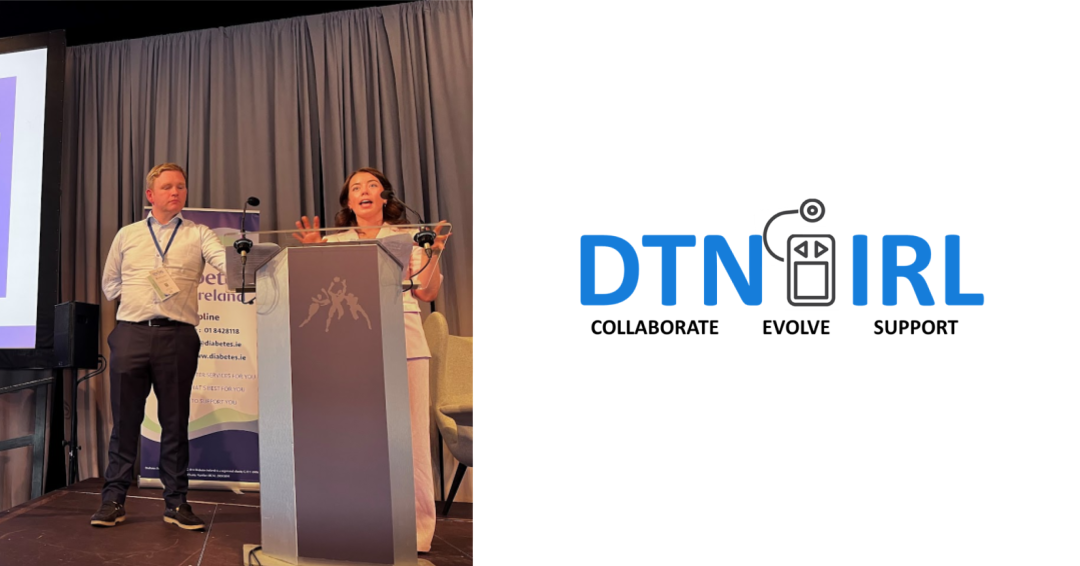
To keep up to date with this fast pace, a new initiative Diabetes Technology Network (Ireland) was launched by consultant endocrinologists Hannah Forde (Beaumont Hospital, Dublin) and Tomás Griffin (University Hospital Galway) and supported by Diabetes Ireland. DTN IRL essentially aims to:
The long-term goal is to make diabetes technology accessible for all people who need it to manage diabetes in Ireland and to have ongoing support from your local diabetes team.
In 2025 Diabetes Technology Network (Ireland) and Diabetes Ireland hosted a series of meetings nationwide so people living with type 1 diabetes and parents/carers of children with type 1 diabetes could:
Our hope is that these meetings will empower attendees to make an informed decision in conjunction with their diabetes team on the technology that best meets their clinical needs and fits best with their lifestyle. In 2025, the meetings were held in Galway, Cork, Letterkenny and Dublin. In 2026 meetings will be held in Dundalk, Kerry and Waterford.
