Where does food fit in when you have been diagnosed with diabetes?

Managing diabetes isn’t just about insulin, medications and glucose levels – what you eat plays a huge role in keeping your blood glucose levels within range, so you stay healthy and feel better. 

This section below covers nutritional information to support you no matter what type of diabetes you have. 


Where do you go to get your information on what to eat?

As stated, healthy eating is one of the most powerful tools for managing diabetes day-to-day and preventing complications in the long term, that said there is a wealth of contradictory information online and in general conversation about what you ‘should ‘or should not’ eat when it comes to diabetes


The good news is that there’s no special “diabetic diet” you have to follow, try to avoid thinking about foods as ‘good’ or ‘bad’ and consider your nutritional intake overall.


This section of the website aims to help you understand how to eat healthier meals, with clear examples and actionable tips. Whether you are newly diagnosed or just looking to fine-tune your diet, these steps are based on evidence-based recommendations to improve your health.


Information on healthy food choices covered in this section is aimed at people living with diabetes without other complications/dietary issues, for example coeliac disease. If you have another condition or are living with CKD (chronic kidney disease) it is important to follow appropriate advice individual to your requirements. We recommend that you consult a dietitian for one-to-one advice.


Ask your GP about access to a community based dietitian if you are diagnosed with type 2 diabetes or your hospital team if you are living with Type 1 diabetes


Check the INDI(Irish Nutrition and Dietetic Institute ) about access to a CORU registered dietitian at:

How can food choices help when it comes to managing diabetes?

  • Essential for understanding how your glucose levels fluctuate: Choosing the right foods in the right amounts helps avoid highs and lows in your blood glucose. This improves your energy and mood throughout the day. But be patient as it takes time to learn, and it is individual to you. Keep records so you get a better picture as to how different foods affect your glucose over time. 
  • Helping with weight maintenance: Many people living with diabetes can be above a healthy weight for their height. Eating well may help you lose excess weight or maintain your current weight, which can improve your blood glucose. But it is important to remember that there are lots more ways to achieve better health than just the number on the scales.
  • Protects your heart and other organs: A balanced diet that is low in saturated fat, salt, and added sugar can reduce your risk of cardiovascular and renal disease by helping with management of high blood pressure and cholesterol – this is important because diabetes already raises those risks. 
  • Boosting overall health: Making healthier food choices as per the Food Pyramid means you will get the vitamins, minerals, and fibre that keep your body strong, support your immune system, and improve digestion and gut health.

Remember, small changes in your nutrition can have a big impact over time. You don’t have to change everything overnight. Start with one or two changes, for example, switching from sugary drinks to water, or adding extra vegetables to every dinner and build from there. Over time, these healthier habits will become part of your routine.

What should I eat?

A balanced diet is just a healthy diet for anyone – one that includes a variety of foods and focuses on whole, unprocessed options. There’s no single “perfect” meal plan and should be one that suits you and your cultural preferences and that you will be able to keep in 12 months’ time in general, you should aim to include: 

  • High-fibre starchy foods at most meals: These include wholegrain or wholemeal breads, high-fibre breakfast cereals (like porridge oats or bran flakes), brown rice, wholewheat pasta, potatoes (with skin), and pulses (beans, lentils, chickpeas). These provide energy but tend to release it more slowly due to their fibre content, but remember portion size is really impostarnat here for understanding the effect on keeping glucose levels in range.
  • Plenty of vegetables and some fruit: Aim for 5-7 portions over the day. Vegetables (like leafy greens, broccoli, carrots, peppers, etc.) are packed with nutrients and fibre while being low in calories and sugar. Aim to fill half your plate with vegetables at lunch and dinner if you can. Fruits also provide vitamins and fibre, these contain natural sugars, have them spread over the day (more on this later).
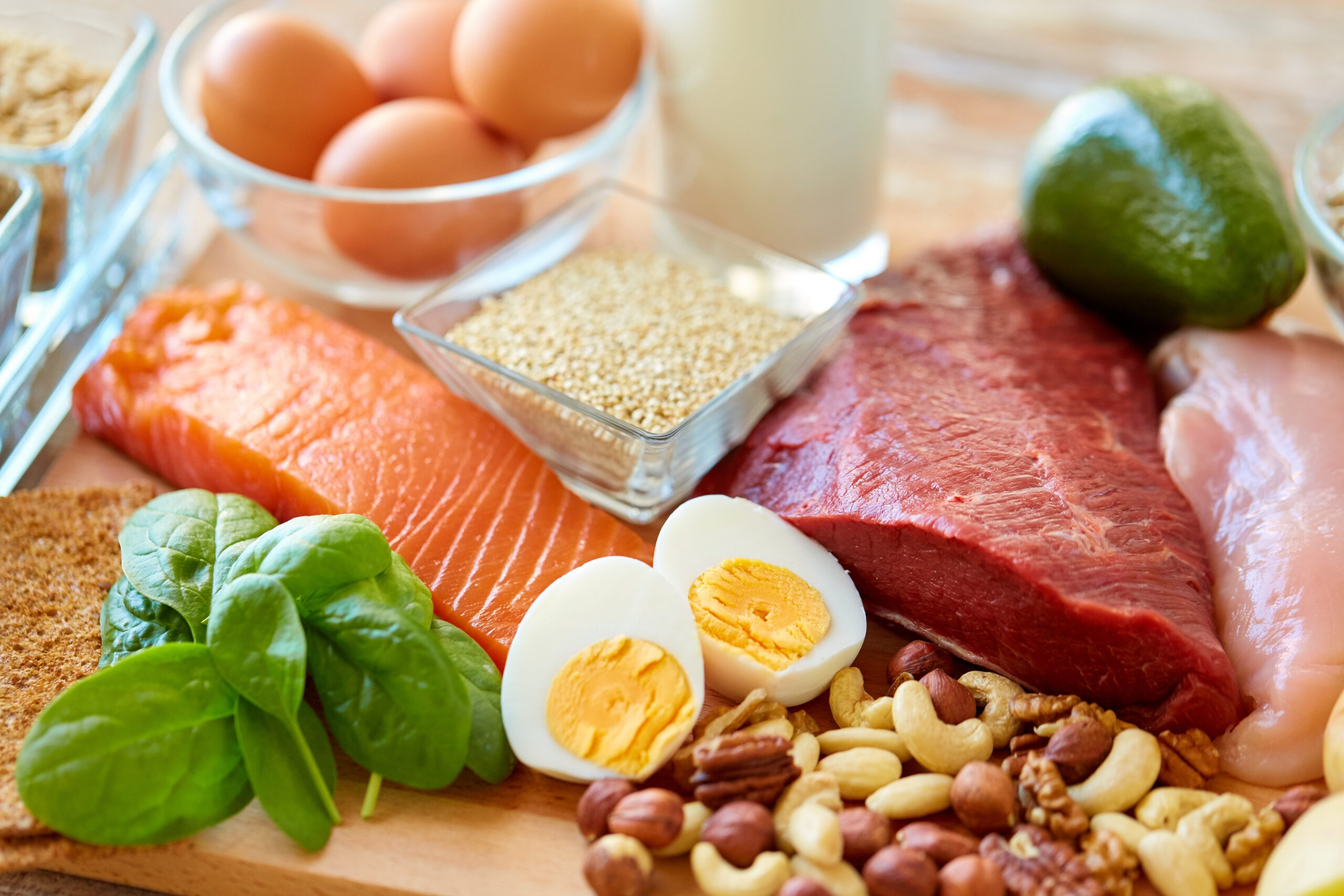
  • Lean protein sources: Include protein with your meals to help with feeling fuller and blood glucose control. Good choices are fish, skinless chicken or turkey, lean cuts of meat (in moderate amounts), eggs, and plant-based proteins like beans, lentils, and tofu. Fish is especially beneficial – try to have oily fish (like salmon, mackerel, or sardines) twice a week for heart-healthy omega-3 fats.
  • Some dairy or alternatives: Foods like milk, yoghurt, and cheese provide calcium and protein. Choose low-fat or reduced-fat versions where possible (for example, low-fat milk or 0% yoghurt), as they have less saturated fat. If you prefer plant-based alternatives (soy, almond, etc.), go for the unsweetened versions fortified with calcium.
  • Healthy fats in small amounts: Not all fats are bad – in fact, unsaturated fats can be good for your health. Use small amounts of olive oil or rapeseed oil for cooking or have a small handful of unsalted nuts or seeds as a snack. Avocado is another source of healthy fats. The key is portion size – fats are high in calories, so moderation is important, especially if you’re watching your weight.
  • Very limited sugary or fatty treats: Foods high in added sugar or unhealthy fats (cakes, biscuits, crisps, sweets, sugary drinks, etc.) should be occasional treats, and not part of your everyday meal plans. You don’t have to cut them out completely if you enjoy them but keep portions small and frequency low. For example, you might decide to have once or twice a week. Your taste buds will adjust over time, especially as you start enjoying healthier foods more. Remember this advice applies not just to people living with diabetes but to the population as a whole.

Example of a balanced meal: A dinner plate might include a portion of grilled fish (protein), 2-3 small, boiled potatoes or a scoop of brown rice (starchy carb), and two large portions of vegetables such as steamed broccoli and a side salad (non-starchy veg)with a light dressing or sauce to add some flavour. Add a glass of water, and perhaps a small pot of natural yogurt with berries for dessert. This kind of meal provides a balance of nutrients that are high in fibre and multivitamins and minerals.

Another example: for breakfast, you could have a bowl of porridge oats made with low-fat milk, topped with some berries and a sprinkle of nuts Or two slices of wholegrain toast with a poached egg and tomato. Both options have fibre and protein to keep you full and help manage blood glucose through the morning.

Tip: Ireland’s healthy eating guidelines use the Food Pyramid model to illustrate balance.  The base of the pyramid (largest section) is vegetables, salad, and fruit – reflecting that al meals should be based on these. The next layer is your carbohydrate shelf which include whole grains and high-fibre carbs, then protein foods and dairy, and very small amounts of fats and high salt/sugary foods at the top. When planning your own meals, think of this balance – more plant based and whole grains, moderate protein, and less sugary/fatty extras.

Carbohydrates: types, portion size, and the effect on glucose levels

Carbohydrates (“carbs”) are the food group that has the biggest effect on blood glucose, so understanding them is crucial. Carbohydrates are found in a wide range of foods – not just in sweets and bread, but also in fruits, milk/yoghurt, and some vegetables. There are basically three main types:

  • Starchy carbohydrates: These are foods like bread, potatoes, rice, pasta, cereals, and porridge. These are digested into glucose and provide energy to the body. When you have diabetes, your body may not make enough insulin to keep the glucose levels in your blood in the healthy range. High-fibre versions of starchy carbs (wholemeal bread, brown rice, wholegrain cereals, etc.) are better choices because they are digested more slowly and keep you fuller for longer.
  • Sugars: Some sugars are naturally occurring (like in fruit and milk), while others are added to foods (table sugar in baking, sugar in fizzy drinks, sweets, etc.)
  • Naturally occurring sugars (in whole fruit or dairy) usually come with beneficial nutrients and fibre but can still affect glucose levels, so portion size matters. Added or “free” sugars (like those in fizzy drinks, sweets, chocolate, jam, cakes) can cause blood glucose to rise more quickly and contain a lot of what we call ‘empty’ calories as they do not provide the fibre and valuable vitamins and minerals. They can contribute to weight gain, so it’s best to limit these as much as possible.

Glycaemic Index (GI) is a way of measuring how quickly a carbohydrate food raises your blood glucose. GI is a scale that ranks how fast a food can raise your blood glucose. As a general rule: 

  • High-fibre, less processed carbohydrates tend to have a lower GI, meaning they raise blood glucose more slowly. Examples are porridge oats, grainy bread, pasta, beans and lentils, most fruits, and non-starchy vegetables. 
  • Refined or sugary carbs usually have a higher GI, causing glucose levels to rise more quickly. Examples include white bread, corn flakes, sugary cereals, sweets, white rice, as well as non-diet sugary drinks which are absorbed very fast.

However, GI isn’t the whole story – the amount of carbohydrates you eat in total (portion size) has the biggest effect on blood glucose (this is sometimes called glycaemic load). Even too much of a healthy carbohydrate can raise your glucose levels also so understanding carbohydrase is not just about omitting sugary foods.  


It’s just as important to choose higher fibre carbohydrates but also watching your total portion size at each meal. 


Healthy carbohydrate portions: A typical guideline is to include a small to moderate portion of starchy carbohydrate with each meal, rather than cutting carbs out entirely. For most people, which might be 3 to 5 servings of carbohydrates per day, spread across meals. (Your exact needs depend on your size, activity level, and whether you are male or female if you want more information on this get advice from your doctor or dietitian.)


See the Food Pyramid for portion guidance and HSE Healthy Eating Guidelines


If you have diabetes, spreading your carbohydrate intake through the day is important. For example, instead of a huge plate of pasta at dinner, have a smaller portion of pasta and include extra vegetables or salad. Similarly unless you are very active it might not be a good idea to have both cereal and toast or bread at breakfast.


Be aware of your carbohydrate sources: Carbohydrates are fuel for your body and brain, so you don’t need to eliminate them – just choose wisely and keep an eye on amounts. Try to include some fibre or protein with carbs to slow their absorption. For instance, if you’re having an apple, you could pair it with a few nuts or a piece of cheese; if you’re having toast, combine it with an egg or beans rather than jam. This will help avoid a sharper rise in glucose levels and should keep you satisfied for a longer period of time.

Protein

Why protein matters when you have diabetes?

Protein is one of the three main nutrients (with carbs and fat) your body needs. It plays many crucial roles, especially important with diabetes:

  • Maintains muscle mass: Diabetes (especially when you get older) can put you at higher risk for losing muscle. Protein helps build and repair muscles which is important for strength and to allow you to stay mobile and fit well after retirement. Increasing muscle can improve insulin sensitivity and reduce insulin resistance and therefore may help improve glucose levels.
  • Heal and repair tissues: People with diabetes sometimes have slower wound healing. Getting enough protein supports skin and tissue repair, helping cuts or foot ulcers heal better.
  • Improve fullness and weight management: Protein helps you feel full. Eating protein alongside fiber-rich foods can keep you satisfied longer and may reduce consumption of excess calories, so may help with weight mainetneance .
  • Improve glucose range: Unlike carbohydrates, protein does not cause a quick rise in blood glucose. Including some protein in your meals can slow the absorption of carbs, leading to a gentler rise in blood sugar after eating

Whether you have Type 1 or Type 2 diabetes, your daily protein target will be determined by your weight, health status, and preferences – not so much by the type of diabetes. Advice is the same as for the general population, so see the food pyramid for sources of lean, low processed suggestions at meals. Focus on getting the right amount for your body and managing your carbs and insulin around meals.

When possible, choose plant-based proteins (beans, lentils, tofu, nuts) or lean animal proteins (fish, poultry). These choices have less saturated fat and more heart healthy nutrients. There is emerging evidence that plant proteins may have extra health benefits, possibly because they come with fibre and other nutrients, eating nutrients, eating more plant-based protein (in place of red meat) has been linked to health benefits and even environmental benefits. If you do eat red meat, try to limit processed forms like bacon, sausage, slides hams and deli meats as these are high in salt and unhealthy fats.

If you have kidney disease (a possible complication of diabetes), you may need to limit protein to protect your kidney. Always follow your kidney specialist’s or dietitian’s guidance in this situation.

Benefits of fruit, vegetables and fibre

Eating more fruit and vegetables is one of the best things you can do for your health, diabetes or not. They are rich in vitamins, minerals, and fibre, and are mostly low in calories. Here’s how to make the most of them:


  • Aim for 5-7 servings a day of vegetables, salad, and fruit: Irish guidelines encourage at least five servings, with a push towards even more (up to seven). In practice, this could mean having a piece of fruit at breakfast, a salad or veggie soup at lunch, and two different veg with dinner, that would give you five, and you can add more veggies or fruits as snacks. One serving is roughly: one medium fruit (like an apple or orange), 2 smaller fruits (plums, kiwis), a half-cup of cooked veg, a full cup of salad leaves, or a small bowl of homemade vegetable soup. Variety is key, try different colours of fruits and vegetables provide different nutrients, so eat the rainbow throughout the week (green broccoli, orange carrots, red peppers, purple berries, etc.).
  • Spread out your fruit intake: Because fruit contains natural sugars, it’s wise not to eat too many pieces at once. Having 2 bananas or half a punnet of grapes in one sitting wouldn’t be great for blood glucose levels. Instead, have one serving of fruit at a time and space them throughout the day (for example, one with breakfast, one as a snack later). If you enjoy fruit, that’s great maybe pair it with protein or have it as dessert after a balanced meal to slow the sugar absorption. And opt for whole fruit over fruit juice or smoothies most of the time. The whole fruit has fibre which doesn’t cause as much of a spike and also helps you feel full. Juice and smoothies (even 100% fruit with no added sugar) remove a lot of that fibre, making it easier to consume more sugar quickly. If you do drink a small fruit juice, have it alongside some food to lessen the impact.
  • Load up on veggies every meal: Non-starchy vegetables (like leafy greens, broccoli, cauliflower, peppers, mushrooms, courgettes, green beans, cucumber, tomatoes, etc.) are extremely low in carbs and calories, so they won’t spike blood glucose so you can generally eat them freely. They add bulk to your meals, which can help with weight control. Try adding extra veggies to recipes: toss mushrooms and peppers into an omelette, add carrots and celery into a stew, or pile lettuce, tomato, and cucumber into your sandwiches. If you’re having something like curry or pasta, serve it with a side of steamed veg or salad. Make it a habit to have at least one or two kinds of veg in every lunch and dinner. Even baked beans on wholegrain toast can be balanced with a side of grilled tomatoes or salad.
  • The fibre factor: Fiber is a type of carbohydrate that our bodies can’t fully digest, and it’s incredibly beneficial. It helps slow the absorption of glucose, aids digestion and prevents constipation, and contributes to a healthy weight by promoting fullness. High-fibre diets are linked to lower risk of heart disease too. You get fibre from vegetables, fruits, whole grains, legumes (beans/lentils), and nuts/seeds. To boost fibre, keep skins on fruits and veg, when possible (the skin of apples, pears, potatoes, carrots etc. has fibre), choose wholegrain versions of carbs, and include beans or lentils regularly (for example, add lentils to a soup or have baked beans on toast). Aim for at least 25-30 grams of fibre a day. As a rough idea, an apple has ~4g, a cup of oats ~4g, a cup of lentils ~8g, half a cup of peas ~4g, a slice of wholemeal bread ~2g. It adds up with variety. Increase fibre gradually as it absorbs water so drink plenty of water, to avoid any digestive discomfort.
  • Frozen and tinned are fine: Fresh produce is wonderful, but frozen vegetables and fruits are just as nutritious (sometimes even more so, since they’re frozen at peak freshness). They’re convenient and often cheaper. Tinned veg and beans are good too ,just choose ones without added sugars or too much salt (you can rinse them). Canned fruit should ideally be in juice, not syrup (and drain the syrup off). Having these on hand can make it easier to whip up healthy meals quickly.
  • Snack on fruits or veg: Instead of reaching for a biscuit, consider a piece of fruit or some veggie sticks when you want a nibble. Crunchy carrots or celery sticks with a bit of hummus can satisfy the need to munch. An apple or a few berries can give a sweet fix with fibre and far fewer calories than biscuits or cake.

By emphasising fruits, vegetables, and fibre-rich foods in your diet, you’ll naturally crowd out some of the less healthy stuff. Your blood glucose will benefit from the slower release of energy, and you’ll feel fuller and more energised with all those nutrients. In addition these foods are excellent for your heart health as heart disease and diabetes are linked.


Should You Take a Multivitamin?


  • If you eat a varied and balanced diet as covered above, most people with diabetes do not need a multivitamin except for Vitamin D, everyone in Ireland is at risk of vitamin D deficiency in winter. Some people are at risk of deficiency all year round and so should discuss further with their GP or pharmacist.
  • Some may benefit from targeted supplements (like B12 or magnesium), especially older adults, vegetarians, or people with absorption issues.
  • Always discuss supplements with your doctor or dietitian – especially because some can interact with medications or cause side effects in large doses.

Managing fat, sugar, and salt in your diet

Eating healthy is not just about watching your carbohydrates and proteins. It’s also important to watch your fat, sugar, and salt intake for your heart and overall health, especially with diabetes.

Fats

When it comes to fats: focus on quality and quantity.


Too much fat (especially the wrong kind) can lead to weight gain and high cholesterol, raising your risk of heart disease. But some fats are healthier than others:


  • Cut down on saturated fats: These are found in butter, ghee, lard, fatty meats (like sausages, rashers, pudding), cheese, cream, pastries, cakes, and many processed foods. Saturated fat can raise “bad” cholesterol levels. To reduce it, choose leaner cuts of meat and poultry (trim off visible fat, remove chicken skin), switch to low-fat dairy, and use healthier oils instead of butter when cooking. For example, use rapeseed or olive oil spread on bread instead of butter, and try grilling, baking, or steaming foods instead of frying them.
  • Choose healthier unsaturated fats: Unsaturated fats (monounsaturated and polyunsaturated) are better for your heart. These are found in foods like olive oil, rapeseed oil, avocados, nuts, seeds, and oily fish. Even though they are healthier, they still have lots of calories, so use them in small amounts. A teaspoon of oil per person for cooking is generally enough. If you’re having nuts or peanut butter, keep to a small handful or a thin spread, as those portions add up.
  • Eat oily fish twice a week: Fish like salmon, mackerel, trout, herring, and sardines are rich in omega-3 fats which help protect your heart. Fresh, frozen, or tinned (in water or olive oil) are all fine. Aim for two portions a week. If you don’t eat fish, walnuts, flaxseed, and chia seeds also provide omega-3 (though a different type). You could also discuss an Omega -3 (EHA/DHA) supplement with your pharmacist or dietitian.
  • Cooking tips to reduce fat: Use cooking methods that don’t require much added fat. Grill or bake meat instead of frying. When roasting, use a rack so fat drip away. Make stir-fries with just a spoon of oil and lots of veggies. Try steaming vegetables – they maintain nutrients and need no fat. And watch out for hidden fats in sauces, dressings, and takeaways; cream-based sauces and many fast foods are high in fat. opt for tomato-based sauces, or yoghurt-based dressings and add herbs.

Sugars: cut back on the “free” sugar.

We’ve covered carbohydrates previously, but it’s worth emphasising added sugars again. These contribute to high blood glucose and weight gain without giving much nutritional benefit. Advice is to limit them to no more than a couple of times a week(this is the same advice whether you have diabetes or not!)


  • Limit sweets and sugary drinks: Try to keep cakes, biscuits, chocolate, and sweets no more than once or twice a week, for instance. If you do have them, a small portion is best – like one biscuit instead of three, or a fun-sized chocolate bar instead of a full one. If you have a sweet tooth, look for lower-sugar recipes or alternatives (like sugar-free jelly, a small piece of dark chocolate, or fruit). Remember that “diabetic” sweets or chocolates aren’t necessarily healthier, they can be expensive, still high in fat/calories, and some use sweeteners that might upset your stomach if eaten in large amounts.
  • Avoid sugary drinks and fruit juices: Glucose found in sugary drinks is the biggest culprit for blood glucose spikes as it is absorbed much more quickly into the bloodstream. A can of a non-diet fizzy drink can have up to 8 teaspoons of sugar – so will send your glucose high. Instead, choose water, sugar-free/diet drinks, or milk. If you really crave a sweet drink, try sugar-free squash with water, or flavour water with slices of lemon/cucumber. As mentioned, keep pure fruit juice to a small glass and ideally diluted with water or have at mealtimes.
  • Be mindful of hidden sugars: Many processed foods contain added sugars, sometimes in surprising places like flavoured yoghurts, cereal bars, ketchup, ready-made sauces. Get in the habit of reading ingredient lists, anything like sucrose, glucose syrup, dextrose, honey, agave, etc. are added sugars. The nutrition label will also list “of which sugars”. As a quick guide, more than 22.5g of sugars per 100g is considered high sugar, and 5g or less per 100g is low. There is a section on food labels later so just be aware so you can make informed choices.

Salt

Even if your blood glucose levels are usually within range, too much salt can be a problem because it raises blood pressure which can lead to a stress on your heart. People with diabetes need to be just as careful about blood pressure as blood glucose so as to protect kidney health.


  • Adults should have no more than 6 grams of salt per day – that’s about one teaspoon. Currently, the average person in Ireland consumes way more (closer to 8–10g/day), mostly because of hidden salt in processed foods.
  • Beware of processed and takeaway foods: Up to 75% of the salt we eat comes from prepared foods like packaged meals, soups, sauces, crisps, salty snacks, and cured meats (ham, bacon, sausages). Fast foods and takeaways (pizza, Chinese, fish and chips, etc.) are often very high in salt too. Try to limit these foods. Cooking more at home allows you to control salt.
  • Don’t add extra salt at the table: Many of us have a habit of shaking salt over our dinner without even tasting it first. Try to break this habit. Use a small amount in cooking if needed but then leave the saltshaker off the table. Your taste buds will adjust over a few weeks to the natural flavours of food.
  • Flavour with herbs and spices: Instead of salt, season foods with herbs (like basil, oregano, thyme) and spices (pepper, cumin, paprika, curry powder, etc.), or use garlic, ginger, lemon juice, vinegar, chili – there are endless ways to make food tasty without adding salt. for example, roast vegetables with a sprinkle of rosemary and garlic, or season chicken with black pepper, lemon, and a bit of olive oil. A low sodium salt may be used but you need to be careful if you are diagnosed with Kidney disease as certain foods may be limited further, always discuss with your dietitian or kidney team.
  • Check labels for salt (sodium): On nutrition labels, salt is usually given per 100g. More than 1.5g per 100g is high; 0.3g or less per 100g is low. Some labels list “sodium” instead – to convert to salt, multiply sodium by 2.5. For instance, 0.4g sodium = 1g salt. Opt for lower-salt options of staples: for instance, choose reduced-salt bacon or beans, and compare things like soup, tinned foods or sauces to pick ones with less salt.


By managing fat, sugar, and salt, you’ll not only keep your diabetes in check but also support your long-term health , reducing the risk of damage to your big vessels linked to heart attacks and strokes, which people with diabetes are at risk of if glucose, cholesterol and blood pressure levels are in the higher levels.

It might seem a lot to think about, but if you centre your diet around whole foods (vegetables, fruits, whole grains, lean proteins) you’ll naturally get less sugar/salt/fat than a diet full of packaged and processed items. And remember: your taste will adapt , many people report that after cutting back on sugar or salt, they end up preferring foods that way.

Healthy eating habits: meal timing, snacking, and hydration

How you eat is just as important as what you eat. Adopting some healthy habits in your daily routine can improve blood glucose control and overall health:


  • Eat regular meals: Instead of skipping meals or having one big meal a day, try to have food at regular intervals, typically three meals a day (breakfast, lunch, and dinner). Regular mealtimes help your body have a steady supply of energy and can prevent extreme hunger (which often leads to overeating or grabbing high sugar of fat snacks). For example, if you usually eat lunch at 1pm and dinner at 7pm, you might have a light breakfast at 8am to start your day.
  • Don’t skip breakfast: Many people with diabetes find that having a healthy breakfast helps control mid-morning cravings and sets a good pattern for the day. A balanced breakfast could be wholegrain cereal or toast, or maybe eggs/ beans, as mentioned earlier. If you’re not hungry first thing, it’s okay to wait an hour or two, but try not to push breakfast off until almost lunchtime, you might end up overly hungry and making choices higher in calories.
  • Smart snacking (only if needed): Contrary to old advice, you don’t necessarily need to eat snacks between meals if you’re not hungry. It’s okay to go 4-5 hours between meals as long as your blood glucose is within range (monitor your levels if advised by your doctor/nurse). However, if you do get peckish or there’s a long gap between meals, choose healthy snacks that won’t spike your glucose. Better options are a piece of fruit, a handful of nuts, veggie sticks with hummus, a small pot of natural yoghurt, or maybe a slice of wholegrain cracker with cheese. Avoid nibbling on high-sugar or high-fat snacks (like biscuits, chocolate, crisps) out of habit or boredom, keep those as occasional treats.
  • Stay hydrated: Drinking enough fluids is important for everyone, and it can help you manage your appetite too. Water is the best choice – aim for about 8 cups (1.5–2 litres) of fluids a day. This includes water, but also tea or coffee (without sugar), and possibly sugar-free squash or diet drinks in moderation. Limit fruit juices and smoothies to a maximum of 150 ml a day (that’s a small glass) and have them with a meal rather than on their own – they contain concentrated fruit sugars that can raise blood glucose quickly. Avoid regular sugary drinks like full-sugar Coke or lemonade; they can raise glucose levels quickly and add a lot of calories.
  • Moderation with caffeine and alcohol: It’s fine to enjoy tea or coffee, just watch what you add. Use low-fat milk and avoid added sugar, sweeteners if you need the sweetness. Too much caffeine (like strong coffee) can sometimes affect blood glucose and hydration, so moderate amounts are best. We’ll talk more about alcohol later, but generally it’s best to have it with food and not on an empty stomach if you have diabetes (to prevent hypos on certain medications)
  • Be mindful of portion sizes: Overeating healthy food can still lead to weight gain or high blood glucose. A simple tool could be to use a smaller plate for your meals, this automatically helps with portion control. Pay attention to your body’s hunger and fullness signals. Eat slowly and have water with meals. Save leftovers for later. When serving food, dish out reasonable portions and try to avoid going back for seconds. If you’re still hungry 20 minutes after finishing, have some extra salad or a piece of fruit.
  • Limit late-night eating: Everyone’s schedule is different, but constantly eating large suppers very late at night can be harder on blood glucose variances and digestion.


In short, consistency and planning are key. It might help to plan out roughly when you’ll have your meals and what they’ll include. Having healthy options on hand (and less junk food in reach) sets you up for success. Over time, these habits will feel more natural, and your blood glucose should be easier to manage as a result.

Artificial sweeteners

People living with diabetes often look for alternatives to sugar that won’t raise blood glucose. Artificial and non-nutritive sweeteners (NNS) provide sweetness with few or no calories and generally do not cause a spike in blood glucose levels

These sugar substitutes include high-intensity sweeteners like aspartame, sucralose, saccharin, acesulfame potassium (Ace-K), as well as plant-based sweeteners like stevia and monk fruit extract. All these sweeteners are much sweeter than table sugar, so only tiny amounts are needed to sweeten foods and drinks. By replacing sugar, they allow people with Type 1 or Type 2 diabetes to enjoy sweet flavors without the large glucose and insulin responses that sugar would normally cause.

Non-nutritive sweeteners can be a useful tool in diabetes management by helping cut down on added sugars and calories, but they are not a magic bullet. Recent guidance from the World Health Organization cautions that long-term use of sweeteners hasn’t shown clear benefits for weight control and may have potential downsides.

In 2023 the WHO’s 2023 advised against using sweeteners for weight management but excluded people with existing diabetes, recognising that in diabetes care the immediate blood glucose benefits may take priority.

So ultimately using these sweeteners showed be weighted up overall if you were consuming high quantities if sugar prior to a diagnosis these are clearly a better alternative but if you can do without then you might be better off. Health experts suggest moderation and focusing on overall healthy eating, enjoying whole foods and water when possible, and using sugar substitutes in a limited way.

Alcohol advice for diabetes

Enjoying a pint or a glass of wine is a normal part of life for many adults. Having diabetes does not mean you must abstain completely, but moderation and some cautions are needed.


In Ireland, the standard low-risk alcohol guidelines are the same for people with diabetes as for the general population:


  • Men: No more than 17 standard drinks per week.
  • Women: No more than 11 standard drinks per week.

It is also recommended to have at least 3 alcohol-free days each week, and to avoid binge drinking (defined as 5 or more standard drinks in one sitting). Spreading your drinks out across the week is much healthier than saving them all for one night.


(What’s a “standard drink”? In Ireland, one standard drink contains 10 grams of pure alcohol. Examples: a half-pint of beer/lager/stout, or a small glass of wine (100 ml), or a pub measure of spirits (35 ml) each equals 1 standard drink. So, a pint of beer = 2 standard drinks, a regular restaurant glass of wine (200 ml) = 2 standard drinks, and a full bottle of wine = about 7-10 standard drinks depending on size.)


How alcohol affects diabetes: Alcohol is tricky because it’s high in calories (7 kcal per gram, almost as much as fat) and can contribute to weight gain, and it can affect blood sugar in unpredictable ways.

  • Short-term blood glucose: Drinks high in sugar (like sweet cocktails, liqueurs, or regular beer and cider) can raise your blood glucose quickly. On the other hand, alcohol can cause a drop in blood glucose a few hours later, especially if you take insulin or certain diabetes medications (like sulphonylureas) This is because your liver is busy processing alcohol and might not release stored glucose as efficiently. This can lead to hypoglycaemia (low blood glucose), particularly overnight or the next morning after heavy drinking.
  • Never drink on an empty stomach. If you consume alcohol, have it with a meal or snack that contains carbohydrates to reduce the risk of hypos. For example, if you’re having a beer, sip it while eating your dinner, or if you’re out socialising, nibble on some food alongside.
  • Choose wisely: Dry wines, light beers, or spirits with sugar-free mixers are kinder to your blood glucose than sugary cocktails or ciders. For instance, a gin and slimline tonic, or a whiskey with water, adds no carbs aside from the alcohol itself. A glass of red or white wine has only minimal sugar. In contrast, drinks like vodka & regular orange, rum & coke (full sugar), or ales and ciders can pack a lot of sugar and calories. Some “low sugar” or “diabetic” beers exist but be cautious – low sugar doesn’t mean low alcohol; some of those beers are quite strong in alcohol content.
  • Stay hydrated and safe: Alternate alcoholic drinks with water or a diet drink or sparkling mineral water to pace yourself and stay hydrated (alcohol can dehydrate you, which is also bad for blood glucose control). Keep an eye on your blood glucose levels when drinking – check before going to bed, and have a starchy snack if levels are on the lower side, to prevent overnight lows. Always carry some form of ID or medical info that says you have diabetes; if you were to appear “drunk” due to a hypo, others should know to get you medical help.
  • No “alcopops”: Sweetened alcoholic drinks (like alcopops, many cocktails, or creamy liqueurs) are double trouble – high sugar and high alcohol. It is best to avoid or strictly limit these.
  • Limit overall amount: Even within the weekly limits, having too many in one go is dangerous. Try not to exceed 3 standard drinks in a single day for women, or 4-5 for men, and even that shouldn’t be a regular thing. Remember, these are maximums, not targets, less is better. If you don’t drink, there’s no need to start; and if you do, consider some alcohol-free beers or wines, there are many good options available in bars and supermarkets which have improved greatly in taste and can be a good option to cut down.


Bottom line: you can still enjoy a social drink with diabetes but be smart about it. Stick to moderate amounts, never on an empty stomach, and keep an eye on your blood glucose. Its a good idea that your partner/ friends know how to treat a hypo( if you are at risk of one) if you are planning a night away or have an upcoming event, just in case.

Reading and understanding food labels

Packaged foods can be a bit of a mystery if you don’t read the labels. Learning to decode food labels will empower you to make better choices, especially when it comes to comparing products or managing your carb intake. Here are some tips, including the “traffic light” system often seen on the front of packs:

Example of a front-of-pack nutrition label using the “traffic light” colour coding system (green = low, amber = medium, red = high).

Most packaged foods in Ireland and the UK have a front-of-pack label that looks like the image above. It typically shows, per serving of the product, the amount of energy (calories), fat, saturates (saturated fat), sugars, and salt, along with colour codes:

  • Green = Low content (this nutrient is low per 100g, which is good).
  • Amber = Medium content.
  • Red = High content (the product is high in that nutrient – meaning it’s less healthy in that aspect).

How to use this:

  • Aim for products that have more greens and ambers, and few or no reds. If everything is green, that’s an excellent choice health-wise. All amber is good too.
  • A couple of reds doesn’t mean you must never eat it, but it’s a sign to maybe eat smaller amounts or less often. For example, a jar of curry sauce might be red for salt – you could still use it, but you wouldn’t want high-salt foods in all your meals that day.
  • Be mindful of serving sizes: the front label usually refers to one serving (which might be a small portion). Always check what they consider a portion. If you eat double that amount, you’re getting double the calories/sugar/etc. The label might also show per 100g values somewhere; those are useful for straight comparisons between products.

On the back of the package, you’ll find a detailed nutrition table. Key lines to look at:

  • “Carbohydrate – of which sugars”: This tells you total carbs and how much of that is sugar. For blood glucose management, it’s the total carbohydrate that matters most (starches and sugars). The front traffic light only flags the sugar part. For example, a food might be low in sugar but high in starch – the total carb could still impact your blood glucose. So, if you count carbs for your diabetes, don’t ignore the starchy component. You need to check total carbohydrate per serving.
  • Fibre: More is better. A product with 6g or more per 100g is high fibre. High fibre foods (like certain breads, cereals, or beans/pulses/chia seeds) are great for you.
  • Fat – saturated fat: If saturated fat per 100g is more than 5g, that’s high (red zone). Low is 1.5g or less per 100g (green zone). Choose foods with less saturated fat to protect your heart.
  • Salt (or sodium): As mentioned, >1.5g per 100g is high. Sometimes a meal might have, say, 2g of salt which is over 30% of your daily limit in one go, be aware of that.
  • Ingredients list: Ingredients are listed in order of weight. If sugar (or syrups, honey, etc.) is one of the first ingredients, the product is likely high in added sugar. Same with fats like butter or cream. Look for products where healthy ingredients (whole grains, vegetables, etc.) appear towards the top instead.

Using labels to compare products: When you’re shopping, labels help you choose between brands.

For example, if you’re looking at two tomato pasta sauces, compare them per 100g sugar and salt. You might find one has 8g of sugar per 100g (with sugar high up in ingredients), versus another that has 4g per 100g – that second one is much lower in added sugar.

Similarly with breakfast cereals: some “honey coated” cereal might have 25g sugar per 100g (red), whereas porridge oats have 1g (green). Yoghurts are another example, a fruit yogurt might have 15g of sugar (mostly added), while a natural yoghurt has maybe 5g (the sugar coming from lactose only).

Meal planning and shopping

Planning ahead can make a huge difference in how well you eat. When healthy options are available and unhealthy temptations are minimal, you’re set up for success. Here are some practical tips for meal planning and grocery shopping tailored for amore balanced diet:

  • Plan your week of meals: Take a little time each week (maybe Sunday evening) to sketch out what you’ll have for breakfasts, lunches, and dinners in the coming days. This doesn’t have to be very detailed or strict, but having an outline helps. For example, you might decide: Monday – chicken stir-fry with veg, Tuesday – salmon with potatoes and broccoli, Wednesday – shepherd’s pie with peas, etc. Plan for any day you’ll eat out or order in and think of healthier choices for those occasions too.
  • Make a shopping list from your plan: List out the ingredients you need for the week’s meals, plus healthy snacks (fruit, yoghurt, nuts) and basics (like milk, eggs, porridge oats,brown rice etc.). Stick to the list when you shop to avoid impulse buys of junk food. If you don’t bring home biscuits or crisps, they won’t be there to call you from the cupboard’s at night time.
  • Never shop hungry: As mentioned, this leads to throwing high calorie treats in the trolley. Have a meal or at least a piece of fruit before shopping so you can think with your head, not your stomach.
  • Buy in bulk (smartly): Having staples on hand can ensure you always have something to cook. Stock up on frozen vegetables, frozen fish fillets, wholegrain rice/pasta, tinned beans, tomatoes, and spices. These can form the base of many quick meals. For example, with tinned tomatoes, beans, some veg and spices, you can make a lovely chili or stew. With frozen veg and some eggs, you can make a speedy veggie omelette.
  • Prep meals ahead: If you’re busy during the week, consider cooking a big batch of something on the weekend – like a hearty vegetable soup, a casserole, or grilled chicken breasts – that you can portion out and use over the next few days. Leftovers are your friend: tonight’s leftover grilled fish can top tomorrow’s salad for lunch. If you make wholegrain pasta, make extra and use it cold in a salad with tuna and sweetcorn the next day. By doubling recipes, you save time and ensure you have a healthy option ready to heat up.
  • Use the freezer: You can freeze portions of home-cooked meals for those days you don’t have time to cook. It’s just as convenient as a takeaway but much healthier. Soups, stews, curries, and Bolognese sauce all freeze well. Even things like sliced bread – freeze a loaf of wholemeal bread and just take out slices as needed to avoid it going off.
  • Keep healthy snacks visible, and treats hidden: For instance, have a fruit bowl on the counter, carrot sticks and hummus at eye level in the fridge, or nuts on the table. Meanwhile, if you buy biscuits or crisps for others in the family, store them in a cupboard so they’re not constantly in sight. Out of sight, out of mind (mostly!).
  • Experiment with recipes: Eating healthily doesn’t mean boring meals. Try new herbs, spices, or recipes to keep things interesting. Perhaps a veggie curry with lentils one night, a turkey mince chili another, a baked cod with lemon and herbs the next. Look up healthy eating recipes or cookbooks. Simple swaps can make traditional Irish recipes healthier too (like using lean minced meat and extra veg in a shepherd’s pie or making brown soda bread with wholemeal flour).
  • Mindful treats: If you plan to have a treat, include it in your meal plan so it’s accounted for. For example, you might decide Friday night if you’ll have a small takeaway portion of chips or a scoop of ice cream. If it’s planned and portioned, you’re less likely to overdo it or feel guilty. Balance it with healthier choices at other times.
  • Involve family or friends: If you live with others, get them on board with a healthy eating plan. It’s easier if the whole household eats similarly. If you cook for a family, these tips benefit them too, it’s a healthy diet for everyone, not just someone with diabetes. Perhaps involve kids in choosing a healthy recipe or helping in the kitchen (they can be more excited to eat what they helped make).
  • Budget considerations: Healthy eating can be done on a budget. Plan meals around seasonal produce (often cheaper and fresher), use own-brand goods which are usually as good nutritionally (like own-brand oats, beans, frozen veg), and limit pricier processed snack foods. Cooking larger batches and reusing leftovers helps avoid waste. Even growing a few herbs or veg at home, if you have space, can be rewarding and cost-saving.
  • Beware of marketing terms: “Low fat” products can sometimes be high in sugar; “No added sugar” doesn’t mean sugar-free (it could still have natural sugar, like fruit juice, which contributes carbs); “Gluten-free” or “Organic” doesn’t automatically mean healthy. Always check the actual nutrition.


By planning and prepping, you remove many of the “I have nothing healthy to eat, I’ll just grab a takeaway” scenarios. It sets you up to make healthy food choices the easier option. Over time, you’ll develop a roster of go-to meals and shopping becomes quicker. And when life gets hectic having those good habits in place means you’re less likely to fall back into poor eating patterns.

What about weight and insulin resistance

For many people with type 2 diabetes, weight is a sensitive but important topic. Not everyone with type 2 is overweight, but if you are, losing even a modest amount (5-10% of your body weight) can greatly improve blood glucose, blood pressure, and cholesterol. It can also reduce the risk of diabetes complications and make you feel better overall. In fact, if you lose enough weight early in the condition, it’s sometimes possible to put type 2 diabetes into remission (meaning your blood glucose return to non-diabetic range without medication) – this tends to require substantial weight loss and medical supervision, but it highlights how powerful weight management can be.


Healthy weight is about balance:
The advice in the Food and Nutrition and Exercise sections – more vegetables, high-fibre carbs, reduced sugar and fats, and portion control – naturally supports weight balance. Combine this with at least 30 minutes of moderate exercise (like brisk walking) five days a week for best results.

Small changes add up: taking the stairs more often, walking to the shop instead of driving, or having water instead of a sugary snack all contribute to a calorie deficit that can lead to weight loss.


Don’t rush or do fad diets: Slow and steady is best. Aim initially for 0.5 kg (about 1 pound) per week. Very low calorie or crash diets can be tough to stick to and might neglect nutrients. Instead, think long-term habit changes. If you need more structure, ask your GP about seeing a dietitian or diabetes education programme, CODE etc where exercise and nutrition are discussed in details in a supportive group setting. The goal is a way of eating you can sustain for life.


Waist circumference – why it matters: Carrying extra weight around your middle (belly area) is particularly linked to higher risk of heart disease and diabetes complications. That’s why measuring your waist can be a good indicator of health risk. For people of European descent, the recommendations are:

  • Women: Aim for a waist circumference less than 80 cm (about 32 inches).
  • Men: Aim for less than 94 cm (about 37 inches).

For other ethnic groups (South Asian, Chinese, African-Caribbean for example), the cut-offs are often a bit lower (since health risks can kick in at smaller waist sizes) – usually around 80 cm for women and 90 cm for men. If you’re in those groups, check with your healthcare provider for tailored advice, but essentially, the slimmer the waist, the better (while still staying realistic and healthy).


You measure your waist at the midpoint between the bottom of your ribs and the top of your hips (usually at the level of your belly button). Use a flexible tape measure, and don’t hold your breath or suck in – it should be a relaxed measurement.


Reducing your waist size means losing fat from around your organs (visceral fat), which has big health benefits. It often goes hand-in-hand with overall weight loss through diet and exercise. Unfortunately, we can’t choose where we lose fat from, but typically belly fat is often the first to start decreasing when you adopt healthier habits.


Staying motivated: Weight loss can be challenging – progress might be slow, and plateaus happen. Keep your focus on the positive changes, not just the scales. Are your clothes fitting loose? Is your blood sugar better? Do you have more energy or feel less out of breath? Those are victories too. Make use of supports: many find success with groups or programs (your local HSE might have a free course, or Diabetes Ireland runs education sessions). Even enlisting a friend or family member to join you on walks or healthy eating can help.


And importantly, be kind to yourself. If you slip up or have a week where things go off track (we’re all human!), don’t give up. Reset and start again at the next meal. Managing weight is a marathon, not a sprint.


In conclusion

In conclusion, managing your food choice and diabetes is about consistency and balance. There will be special occasions or days when you eat more indulgently – and that’s okay but if your overall pattern is a healthy one, you will do well.


Use information here as a basis to help understand food and food planning and remember there is lots of support around managing decision around your diabetes management


For type 2 diabetes you could also avail of online of face to face group support through CODE


Your GP or diabetes nurse can refer you to dietitians or structured education programs (like DESMOND or X-PERT) which many people find incredibly helpful.


For Type 1 diabetes talk to your dietitian or diabetes and ask about access to DAFNE

Back to top