


Physical activity is a key part of managing all types of diabetes. Moving more can help improve blood glucose levels, support your heart and circulation, strengthen muscles and bones, and enhance mental wellbeing. Regular activity whether it’s walking, stretching, or everyday movement can make a significant difference in how you feel and manage your condition.
You do not need to be an athlete or join a gym to benefit. Physical activity can include any movement that works your muscles and uses energy, such as walking the dog, gardening, climbing stairs, or even gentle stretches at home. The evidence to support this is overwhelming as it has so many benefits for you with your diabetes management and health overall.
The most important thing is to find a way of moving that feels safe, achievable, and enjoyable for you.
Benefits of being active when you live with diabetes
- Improved insulin sensitivity – by helping your body use insulin more effectively
- Better blood glucose control – reducing fluctuations and supporting target HbA1c levels
- Cardiovascular health – lowering blood pressure and cholesterol, reducing the risk of heart disease and stroke
- Weight management – supporting weight loss or maintenance where needed
- Stronger muscles and bones – improving stability and reducing injury risk
- Mental wellbeing – reducing stress, anxiety, and low mood
- Reduced risk of long-term complications – supporting eye, nerve, and kidney health
- Improved quality of life – increasing energy, confidence, and independence in daily tasks
How much activity is recommended?
National and international guidelines recommend:
- At least 150 minutes per week of moderate-intensity aerobic activity (such as brisk walking or cycling), spread over at least 3 days, with no more than 2 days in a row without activity
- Or 75 minutes of vigorous activity, or a mix of both
- Muscle-strengthening exercises on 2 or more non-consecutive days each week (e.g. lifting weights, bodyweight exercises, resistance bands)
Even small increases in activity can help – start with what you can and build up gradually.
Types of physical activity to consider
| Activity Type | Examples | Benefits |
| Aerobic (Cardio) | Walking, swimming, dancing, cycling | Supports heart health, glucose control |
| Resistance (Strength) | Bodyweight exercises, weights, bands | Builds muscle, supports metabolism |
| Flexibility & Balance | Yoga, pilates, gentle stretching | Reduces stiffness, improves balance and mobility |
| Light Movement Breaks | Standing, walking during TV ads | Reduces long periods of sitting, improves glucose after meals |
Tips for safe and successful activity
- Start slow if you’re not active now, begin with 10-15 minutes and gradually increase
- Break up sitting time – stand, stretch, or walk every 30-60 minutes
- Move after meals – even 2-10 minutes of walking can help lower post-meal blood glucose
- Choose what suits you – age, fitness level, health conditions, and preferences all matter
- Listen to your body – stop if you feel unwell or overly tired
Managing blood glucose around activity
Depending on your type of diabetes and treatment, physical activity may affect your glucose levels differently.
- If you take insulin or certain tablets (e.g. sulphonylureas), check your glucose before and after activity, and carry fast-acting carbohydrates (like glucose tablets or juice)
- If you use a continuous glucose monitor (CGM), use trend arrows to help guide your activity decisions
- If you have a glucose spike after eating, gentle activity may help reduce it
- Speak to your diabetes team about how to safely adjust your food or medication around activity, especially if you experience hypos
Every movement counts. You do not have to be perfect – just aim to move more and sit less. With the right support, physical activity can become a regular, rewarding part of your diabetes care.
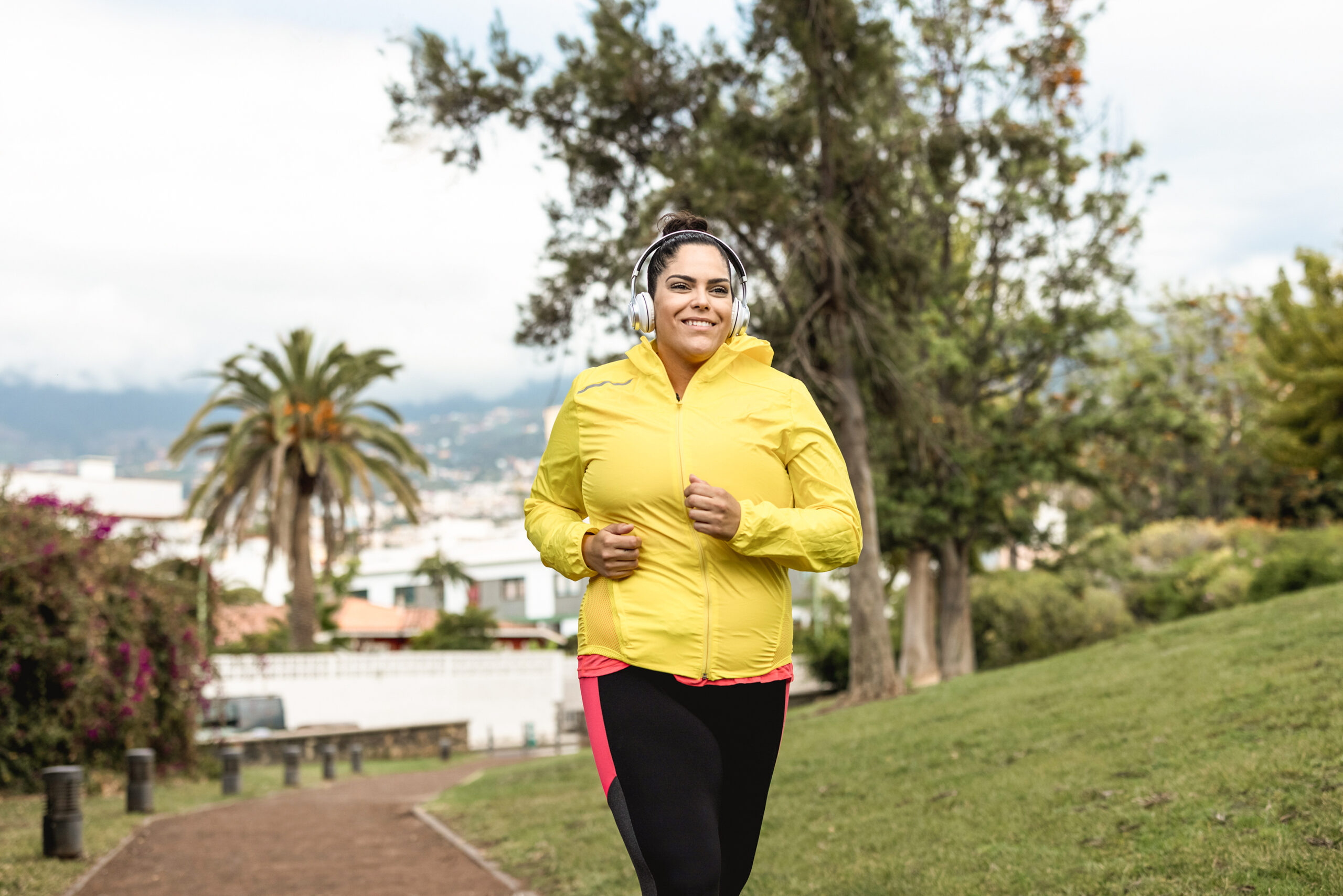
Physical activity and diabetes: Support for those with limited mobility
Physical activity is an important part of managing all types of diabetes, even for those who have limited mobility due to age, injury, weight, or other health conditions. Regular movement – no matter how gentle – can help lower blood glucose, improve circulation, support mood, and maintain strength and independence.
If you are not able to walk easily, stand for long periods, or do vigorous activity, you can still benefit from simple movements done while sitting or using support. The key is to move in ways that are safe and manageable for you.
You don’t have to do it all at once. Short sessions of movement, done regularly, can improve health and help you feel more in control of your diabetes.
Safe and simple activities for people with limited mobility
| Activity Type | Examples | How It Helps |
| Seated movement | Marching legs in place, arm lifts, ankle circles | Improves circulation and joint mobility |
| Chair-based strength | Using light weights or resistance bands from a chair | Builds strength and supports blood glucose control |
| Stretching | Gentle neck, shoulder, and leg stretches | Reduces stiffness and maintains flexibility |
| Balance exercises | Standing with support (e.g. holding a counter) | Improves confidence and reduces fall risk |
| Short standing tasks | Household chores like washing dishes or folding laundry | Breaks up sitting time and adds gentle movement |
Tips for getting started safely
- Start slowly with just 5-10 minutes, once or twice a day. Build up gradually if you feel able
- Use a sturdy chair with good back support for seated exercises
- Avoid overexertion: you should be able to talk while moving. If you feel lightheaded or breathless, stop and rest
- Stay hydrated and wear comfortable, supportive footwear
- Listen to your body and stop if you feel pain, weakness, or unwell

Managing glucose around activity
If you take insulin or certain diabetes tablets (sulphonureas), be aware of the risk of low blood glucose (hypoglycaemia):
- Check your blood glucose before activity if advised by your healthcare team
- Have a small snack on hand, such as fruit or glucose tablets, in case of low blood glucose
- Monitor your glucose afterwards, especially if you do more than usual
If you are unsure how to adjust food or medication around movement, speak to your diabetes team for personalised advice.
Encouragement and support
- Every bit of movement counts. Even light activity done consistently can make a real difference.
- Make it part of your routine during TV breaks, after meals, or as part of daily tasks.
- Involve others if possible. A family member or friend can help keep you motivated and safe.
- Speak to your GP or physiotherapist about tailored activity advice if you have joint pain, balance issues, or complications.
| What You Can Do | How It Helps |
| Gentle, seated or supported movement | Lowers blood glucose and improves circulation |
| Short, regular activity sessions | Builds strength and reduces stiffness |
| Safe and supported exercises | Maintains mobility and supports wellbeing |
Remember:
You do not need to be able to walk far or go to a gym to benefit from any type of movement. Start where you are, move in ways that feel safe, and build confidence over time.
What does resistance training mean and why is it recommended when you have diabetes?
Muscle-strengthening exercises (also known as resistance or strength training) involve using muscles against resistance to improve muscle strength, tone, and endurance.
These exercises are essential for people living with diabetes, as they help with glucose regulation, insulin sensitivity, weight management, and overall metabolic health.
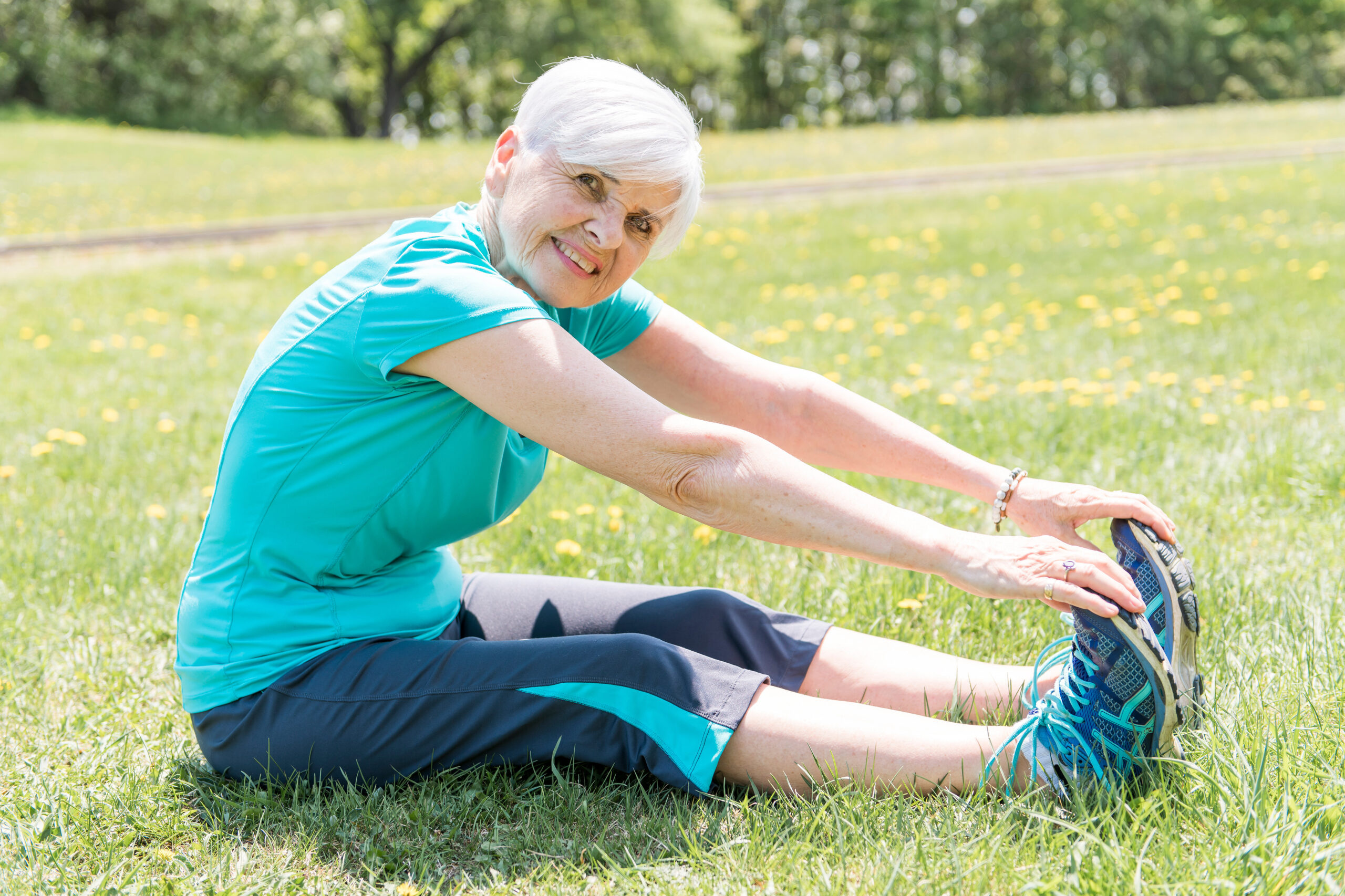
What are muscle-strengthening exercises?
Muscle-strengthening exercises work major muscle groups by creating resistance. This resistance can come from:
- Your own body weight
- Resistance bands
- Free weights (e.g., dumbbells, kettlebells)
- Weight machines (at a gym or community centre)
- Everyday items like cans or water bottles
Why are they important for people with diabetes?
- Improves insulin sensitivity, helping the body use glucose more effectively
- Helps lower blood glucose levels, even hours after exercise
- Increases muscle mass, which supports metabolism and glucose disposal
- Supports joint health, mobility, and balance – especially important for older adults or those with complications
- Helps maintain a healthy weight, reducing abdominal fat that contributes to insulin resistance
They are strongly recommended in diabetes guidelines alongside aerobic activity.
Recommendations
- At least 2 days per week
- Exercises should target major muscle groups (legs, hips, back, abdomen, chest, shoulders, arms)
- Non-consecutive days to allow muscle recovery
- Aim for 2-3 sets of 8-12 repetitions of each exercise
- Focus on safe technique over heavy weights

Examples of strengthening exercises
Bodyweight (no equipment)
- Wall push-ups or regular push-ups
- Sit-to-stand from a chair
- Squats (with support if needed)
- Step-ups using stairs
- Planks (knees or toes)
With resistance bands
- Bicep curls, tricep extensions, leg presses, or side leg lifts
- Easy to do at home or while seated
Using household items
- Overhead presses with water bottles or tins
- Rows pulling resistance toward your chest with cans or a bag
At the gym
- Consult with staff for a programme tailored to you
- Free weights under supervision
Advice for people living with diabetes
- Start gradually, especially if new to strength training or returning after a break
- Warm up and cool down to prevent injury
- Monitor blood glucose before and after sessions, especially if using insulin or sulphonylureas
- Stay hydrated and avoid holding your breath during exertion
- Avoid heavy lifting if you have proliferative retinopathy or eye complications, use lighter weights and controlled movements
- Use proper footwear to protect feet and reduce injury risk, especially if you have neuropathy
Speak to your GP, diabetes nurse, or physiotherapist before starting if you have complications (heart disease, eye problems, joint issues) or are unsure about safe options.
See the resources section for additional information and videos on suitable activities for you and always contact your GP if you are new to activity or have injuries or concerns about your diabetes.
