1. Consult Your Healthcare Professional Team Before You Travel

Have a thorough check-up with your GP or diabetes team, well before your departure. Ask for:

  • A detailed medical letter outlining your diabetes type, current medications (including insulin), and other equipment you may use, such as Insulin pump or Continuous glucose monitor (CGM).
  • Up to date prescriptions for your insulin, oral diabetes medications, pump therapy equipment and blood glucose testing supplies, or CGM supplies. Try to have this prescription written with Generic drug names to make it easier to obtain replacements abroad.
  • Guidance on managing time zone changes and adjusting your medication schedule accordingly.
  • A review of required and recommended vaccinations. If travelling to non-EU or tropical regions, consult the Tropical Medical Bureau (www.tmb.ie) to review necessary vaccines and malaria precautions. People with diabetes are encouraged to get all recommended vaccinations. Illness can more severely affect blood glucose levels.
  • A sick day management plan tailored to your travel destination.

2. Carry the Right Documentation

For customs and security checks, it’s essential to have:

  • A copy of your prescriptions and travel letter from your GP or Diabetes Team.
  • Your European Health Insurance Card (EHIC) if travelling within the EU/EEA.
  • Contact details for your healthcare team and Pump manufacturer who may be able to help abroad in case of a pump failure.

Tip: Keep digital copies of all documents on your phone or email in case of loss or theft.

3. Packing: Medications & Supplies

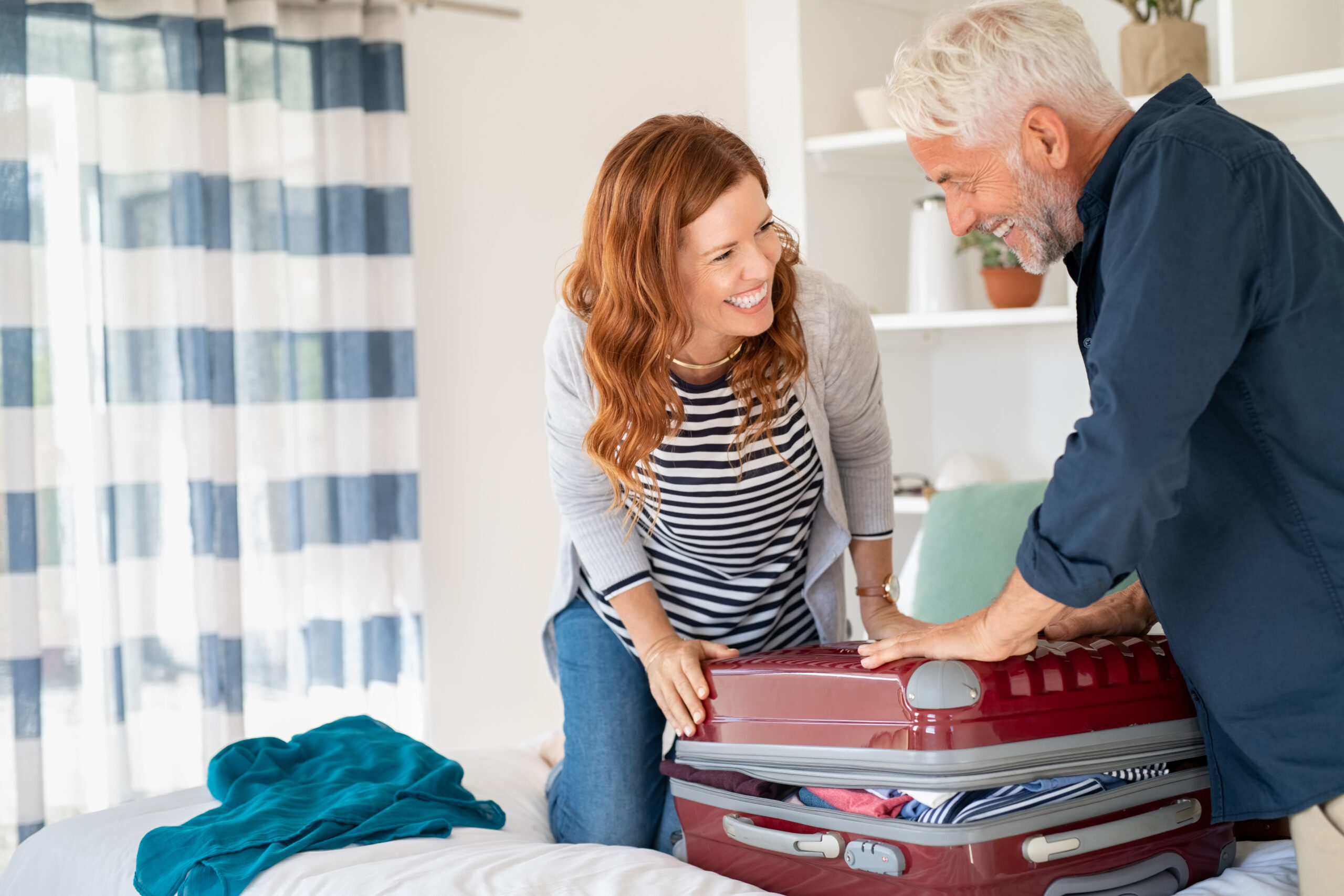
  • Pack more than enough insulin, oral medications, pump supplies, replacement CGM’s, glucose and ketone test strips and non-diabetes related medications to cover your trip — plus extras in case of delays or emergencies.
  • Store medication in two separate carry-on bags to reduce the risk of loss.
  • Keep insulin, injectable medications and glucose monitoring devices in your hand luggage — checked baggage can freeze or get lost.
  • Use a cool pack if travelling to or through hot climates. Insulin can be stored at room temperature (15–25°C) for up to 28 days.
  • Bring a small sharps container for safe needle disposal. Ask your hotel or the airport about proper disposal facilities.
  • Carry a hypo kit with both fast-acting carbs (like glucose tablets or gels) and long-acting carbs (like cereal bars).
  • Don’t forget your blood glucose meter, extra strips, lancets, ketone strips, insulin pens, spare pump supplies (if applicable), spare CGM and extra batteries.
  • In hot climates: keep insulin in the coolest part of the room or use a Frio bag.
    In cold climates: do not allow insulin to freeze. Store close to your body inside your jacket.

4. At the Airport

  • You may be asked to present your insulin and diabetes equipment at security. Your medical letter may be required to support this.
  • Insulin pumps and flash/continuous glucose monitoring devices can go through metal detectors but should not be exposed to X-ray machines — notify security staff in advance and request a manual or walk-through inspection.
  • Check your airline’s policy in advance regarding carrying insulin and diabetes technology.
  • Do not book exit-row seats: passengers with medical conditions must have unrestricted access to medication and snacks.
  • Keep snacks and hypo treatment with you and do not store them in overhead bins in case of turbulence.

5. Plan Your Food and Carbohydrate Intake

  • Bring suitable snacks in case of delays — good options include oat bars, crackers, fruit etc.
  • Remember the 100ml limit for liquids in carry-on luggage.
  • When booking flights, request a special meal or choose options high in complex carbs and low in saturated fat.
  • Research local food availability at your destination to plan ahead for healthy meal options.
  • Carry easy to access hypo treatment (if required) such as glucose tabs, LIFT, Glucogel etc.

6. Travel Insurance – What You Must Know

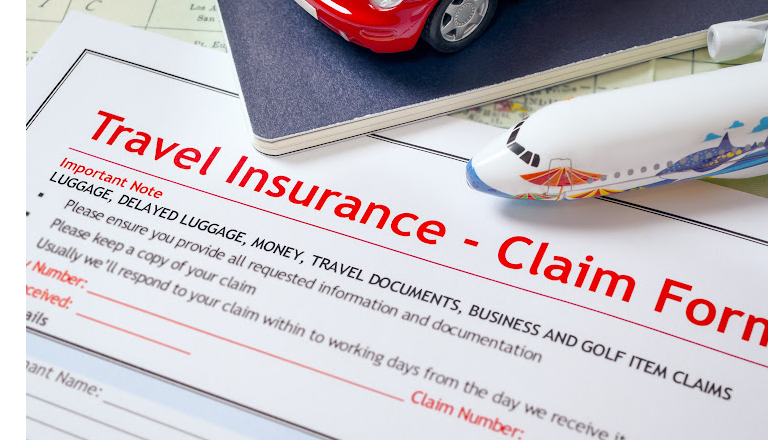
It is important when traveling to ensure that you have travel insurance that covers pre-existing conditions, including diabetes.

  • Get comprehensive insurance that covers diabetes, insulin pump, and emergency care.
  • Standard travel insurance often excludes pre-existing conditions unless declared, and an extra premium is paid.
  • Check if your private Irish health insurance includes overseas cover.
  • For EU travel, bring your European Health Insurance Card (EHIC/GHIC): Get or renew here.

Finally...

  • Carry a copy of your travel insurance medical division contact info with your passport.
  • Note the contact details of the Irish Embassy or Consulate in your destination.
  • If you’re travelling to a country where English is not widely spoken, learn a few key phrases in the local language such as:
    • “I have diabetes.”
    • “Please get me something sweet.”
    • “Call a doctor.”
  • Wear a medical alert bracelet engraved with your condition and emergency contacts.
  • Look up the national diabetes association of the country you’re visiting via: www.idf.org/membership.
  • Remember: Blood glucose is measured in mmol/L in Ireland and mg/dL in many countries (e.g., USA): 1 mmol/L = 18 mg/dL → e.g., 6 mmol/L = 108 mg/dL.

For personalised advice before your trip, contact your diabetes team or reach out to Diabetes Ireland directly.


Travel smart, stay safe, and enjoy your journey!

Back to top