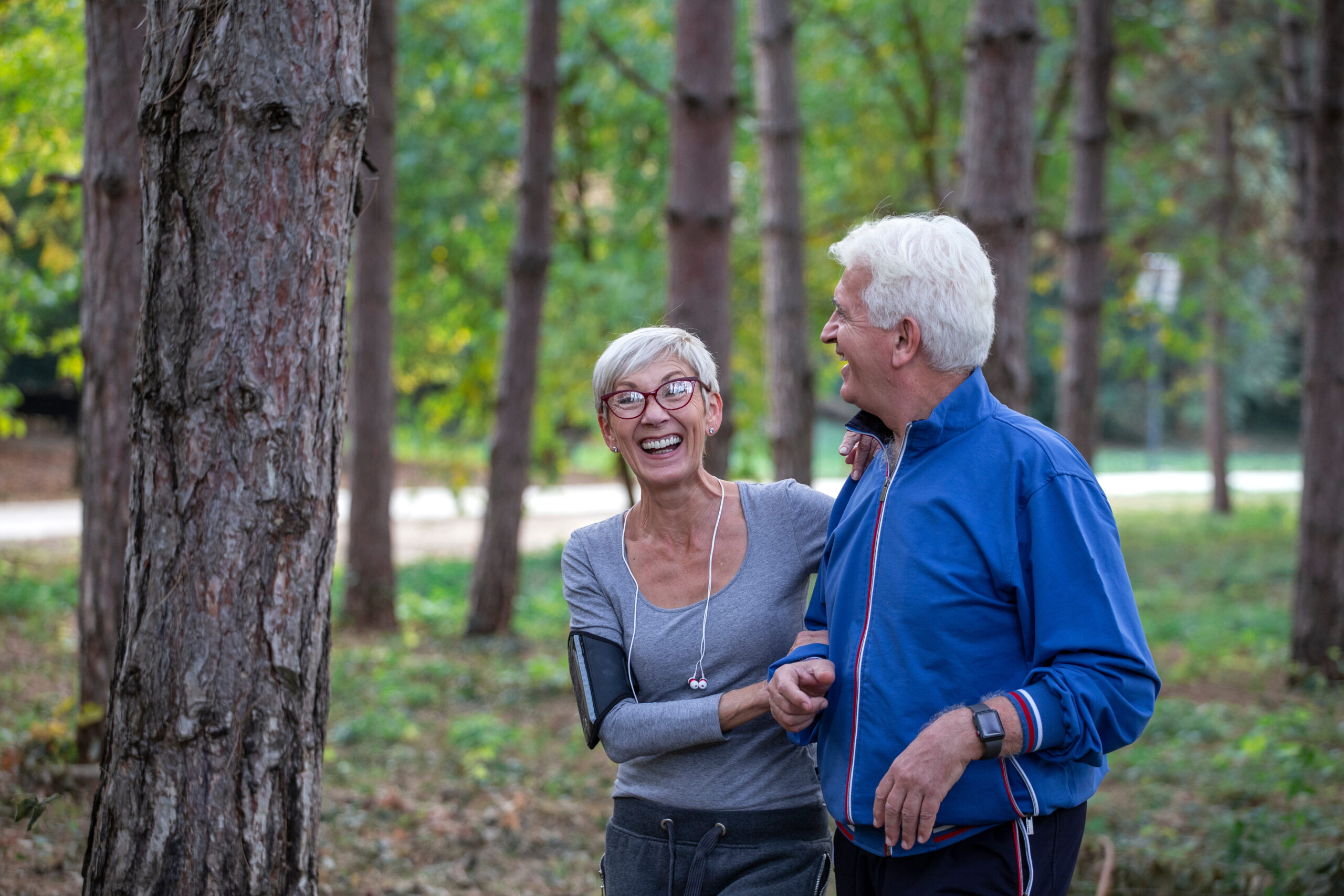
You are not alone

Type 2 diabetes often develops slowly and may go unnoticed, potentially for years. Many symptoms are mild or can be mistaken for other health conditions, which means people may live with the condition for years before being diagnosed. However, managing type 2 diabetes early and effectively is vital to reduce the risk of health complications.


Although Type 2 diabetes can be lonely, it is manageable. Your GP or diabetes team are there to provide expert; personalised medical advice tailored to your needs. We in Diabetes Ireland, do not offer clinical advice, but may assist you in your journey with type 2 diabetes. Our Type 2 Diabetes Community Network Programme aims to provide general and wellbeing support, trusted information and motivation so you can flourish with diabetes.


You don’t have to deal with Type 2 diabetes diagnosis on your own. Managing Type 2 diabetes is much easier when you have a strong support system, reliable information, group discussions and events where you could meet other people living with diabetes.


What Is Type 2 Diabetes?

Type 2 diabetes happens when the body doesn’t produce enough insulin, or can’t use it properly (also known as insulin resistance). This leads to a build-up of glucose in the blood instead of being used to help convert to energy. Over time, high glucose levels can damage big and small blood vessels, nerves, and vital organs.

It’s important to be aware of the signs and symptoms. These may include:

  • Constant tiredness or lack of energy
  • Needing to urinate more frequently, especially at night
  • Feeling very thirsty
  • Blurred vision
  • Numbness, tingling or pain in your hands or feet
  • Cuts or wounds that take a long time to heal

If you’re experiencing any of these, speak to your GP about having a blood test for diabetes.

What about the risk factors?

Also be aware of your risks for developing type 2 diabetes – see our Type 2 Diabetes Risk Assessment Tool.

If you are concerned about your risk it’s a good idea to discuss how often you should have a blood test to check for a diabetes diagnosis.

Lifestyle Changes

In many cases, Type 2 diabetes can be managed with changes to your daily routine. Taking small but consistent steps can help stabilise blood glucose levels and improve your overall health.

Key lifestyle strategies include:

  • Healthy eating: Choose meals that support balanced glucose levels and help manage your weight.
  • Regular physical activity: Being active helps your body use insulin more effectively and reduces the risk of heart disease.
  • Monitoring your glucose levels: Not everyone will need to track glucose levels – this will be down to you and your GP, though keeping track of your readings helps you and your healthcare team assess how well your current plan is working.

Your GP, diabetes nurse, or dietitian can help you set targets for your blood glucose levels and guide you on how to meet them.

Treatment Options in Ireland

Depending on your individual needs, your healthcare team may recommend a combination of approaches. This can include:

  • Adopting a balanced meal plan that suits your taste and cultural preferences
  • Regular movement or physical activity
  • Medication, including tablets or insulin

Do I Need Medication?

If lifestyle changes alone aren’t enough to keep your glucose levels in range, your doctor may prescribe medication. This is to reduce your risk of complications down the road and to protect against organ damage such as to the heart or the kidneys.

Diabetes medications are safe and effective but discuss any concerns you have with your GP or diabetes team. Medication works best when combined with healthy eating and regular activity.

Medication is not a replacement for lifestyle changes, but an important part of managing your condition long-term.

Living Well with Type 2 Diabetes

There are many supports available across Ireland to help you manage your diabetes with confidence. These include education courses, online tools, and regular check-ups with your healthcare team.

Key areas of diabetes care include:

  • Your annual cycle of care: A yearly review with your GP or practice nurse to monitor your condition
  • Blood glucose monitoring: Regular checks at home or in a clinic to track your progress
  • Online group education courses – see CODE and Diabetes Smart. DISCOVER may be online or face-to-face courses: Tailored advice from a registered dietitian or trusted online resources
  • Minding your mental health: Do you feel burden or stigma associated with the condition, do you avoid telling people you live with diabetes? You could benefit from attending COPE, our online group mental health support programme.

Need More Help?

Explore our Diabetes Support and Resources section for trusted advice, downloadable guides, and details on local services.

Or, speak to your GP about referrals to diabetes services in your area.

Back to top